Nestled in the heart of County Offaly, the historic village of Daingean carries centuries of fascinating Irish history within its streets, boglands, and landmarks. From royal connections and architectural treasures to ancient archaeological discoveries, Daingean’s story is one of transformation, resilience, and cultural heritage.
In this journey through time, we explore how a village once known as Philipstown evolved from a symbol of royal power into a community deeply connected to the peatlands of the Bog of Allen and the waterways of Ireland’s transport history.
The Royal Origins of Daingean
Daingean was originally known as Philipstown, a name given in honour of Philip II of Spain. Through his marriage to Mary I of England—often remembered as Bloody Mary—Philip became King of Ireland during the turbulent 16th century.
At the time, royal marriages were far more than personal unions; they were strategic alliances that shaped the politics and identities of nations. The naming of Philipstown reflected the reach of European influence into Ireland during the Tudor period.
However, following Queen Mary’s death in 1558, Philip’s influence in Ireland faded. Over time, the village reclaimed its Irish identity and became known once again as Daingean, meaning “fortress” or “stronghold” in Irish—a fitting tribute to its enduring spirit.
Architectural Landmarks and Historical Echoes
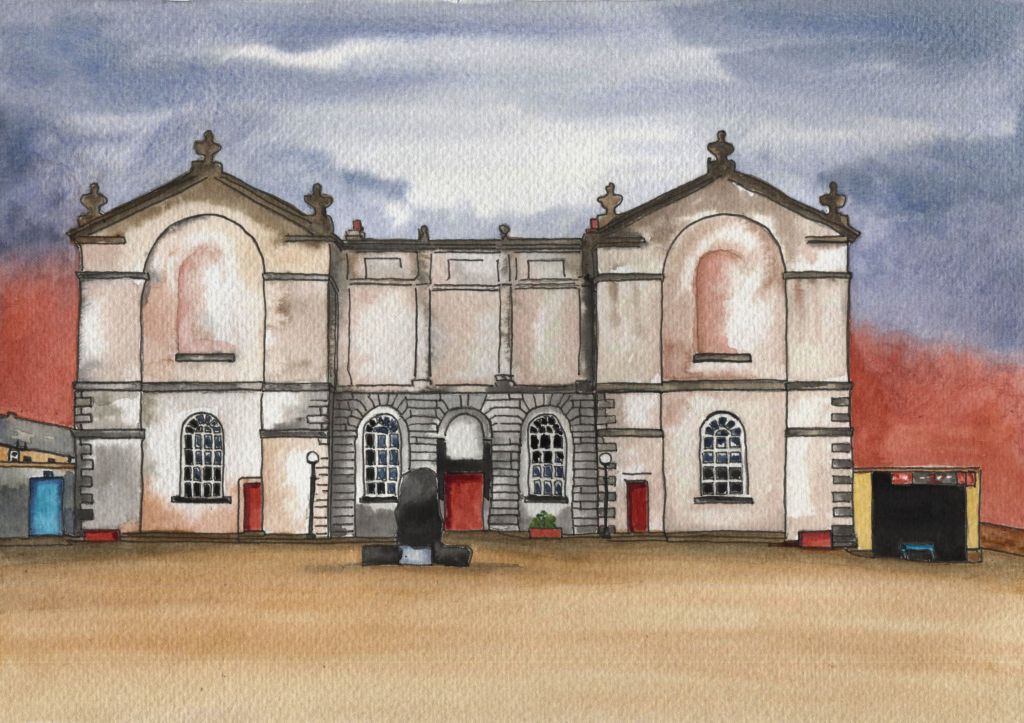
One of Daingean’s most striking landmarks is its courthouse, believed to have been designed by James Gandon, the celebrated architect behind some of Dublin’s most iconic buildings, including The Custom House and Four Courts.
The courthouse stands as a reminder of Daingean’s historical importance and showcases Gandon’s signature architectural style—combining classical elegance with practical civic design.
Nearby, the remains of a former reformatory school and military barracks tell a darker story. These structures speak to difficult chapters in Irish social history, particularly the experiences of children and families affected by institutional life. Though weathered by time, they remain powerful symbols of hardship, endurance, and remembrance.
The Mystery of the Old Croghan Man
Just outside Daingean lies one of Ireland’s most extraordinary archaeological discoveries: the Old Croghan Man discovery.
Discovered in 2004 within the boglands of County Offaly, the remarkably preserved Iron Age bog body captivated historians and archaeologists alike. The preservation offered a rare glimpse into prehistoric Ireland, revealing details about ancient rituals, social structures, and beliefs.
Experts believe the Old Croghan Man may have been a person of high status, possibly connected to kingship rituals and sacrificial ceremonies. Today, the discovery continues to deepen our understanding of Ireland’s ancient past and the sacred significance of boglands in Celtic culture.
The Bog of Allen and the Grand Canal
The surrounding Bog of Allen has long shaped the identity and economy of Daingean. For generations, the peatlands provided fuel, employment, and a way of life for local communities.
The bog is more than a landscape—it is part of the cultural memory of the Midlands. Its vast open spaces, winding tracks, and changing seasons have inspired stories, traditions, and livelihoods for centuries.
Equally important is the Grand Canal, which once served as a vital transport route linking inland communities to Dublin and beyond. The canal transformed trade and travel, carrying peat, goods, and passengers through Ireland’s waterways during the 18th and 19th centuries.
Together, the bog and canal represent Daingean’s evolution from a royal settlement into a thriving rural community connected by industry, nature, and transport.
Preserving the Voices of the Past
What truly brings Daingean’s history alive are the voices and memories of its people. Local historians, families, and long-time residents continue to preserve stories passed down through generations—stories of resilience, community spirit, hardship, and hope.
These personal connections transform historical facts into living history, helping modern visitors and readers understand the emotional heartbeat of the village.
Discovering Daingean Today
Today, Daingean remains a place where Ireland’s layered history can still be felt in its buildings, landscapes, and stories. Whether exploring the boglands, tracing the canal paths, or uncovering its royal and archaeological past, visitors encounter a village deeply rooted in heritage.
For anyone interested in Irish history, archaeology, architecture, or the hidden stories of the Midlands, Daingean offers a fascinating and meaningful journey through time.
Final Thoughts
The story of Daingean is one of transformation—from royal stronghold to peatland passage, from Philipstown to a proud Irish village shaped by its people and landscape. Its whispering stones continue to tell stories of ancient rituals, colonial influence, industrial change, and enduring community spirit.
As Ireland continues to rediscover and celebrate its local histories, places like Daingean remind us that every village holds echoes of the past waiting to be heard.
 Bernice Cooke Artist
Leave a comment